
How to care for your senior cat?
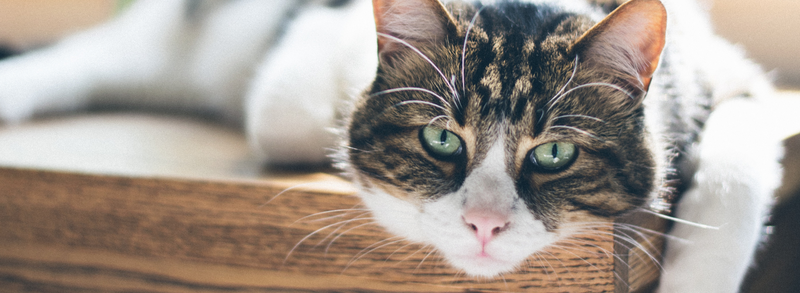
Do you remember the day you adopted your kitten? For you, it feels like it was yesterday. He came into your life in a big way and became a true family member. You've lost count of how many times he's knocked your belongings off the table with a flick of his paw, chased your socks (with your feet still in them), or woken you up with his purrs demanding kibble... And without even realizing it, little by little, you've become his guest in his own home! But be careful, it's always up to you to take care of him and not the other way around (the clever little one). Taking care of a cat means following its development; a kitten won't have the same needs as an elderly cat. And yes, your energetic little kitten is now turning 9 and stealing your spot on the sofa! So, we're giving you all our tips for taking care of your elderly (and adored) cat.
How to tell when your cat is getting old?
If we say that one cat year is 7 human years, a cat enters the senior club at 49 years old! More seriously, a cat is considered elderly from 9 years old. However, it's quite simple to notice that your cat is aging. There are a few unmistakable signs. After all, you know him best!
- Generally speaking, a senior cat is more prone to illnesses because its body and immune system become weaker. If your veterinary visit frequency increases despite yourself, this can be a sign of aging.
- As they age, cats lose their legendary flexibility. Their joints can become painful, and they can also develop arthritis. You will therefore see them move less often and more slowly.
- Your cat's kidney function can become weaker. This manifests as significant weight loss and increased water consumption.
- Like us, cats turn salt and pepper, meaning their fur grays. This can be noticed in both cats and dogs around their muzzle. Overall, the quality of their fur declines; it dulls, changes texture, and becomes a little less pleasant to the touch. Indeed, with the loss of flexibility, it is more difficult for the cat to groom itself and maintain its fur.
- With age, your cat's gums become more fragile and can lead to dental problems, sometimes painful, which affects their diet. So, don't hesitate to have their sharp little teeth checked regularly!
- Your cat's digestive system may be put through its paces. As with senior dogs, it can slow down or speed up. In both cases, make sure to adjust their diet (psst, find all our tips further down in the article).
- Your cat may also change behavior, enjoying quiet moments more or, conversely, becoming even clingier!

How to care for my senior cat?
The senior cat is very routine-oriented! A regular rhythm of life is essential for maintaining its physical and mental health: make sure to feed it at fixed times (goodbye lie-ins on weekends), and dedicate 15 to 20 minutes of play per day. If you like to pamper it (and if it allows you to), plan a massage session once a week to stimulate its blood circulation and relieve its joints.
If your cat is in good shape, don't hesitate to stimulate it by hanging its toys or placing its food bowl higher up, for example. However, if your cat is older, make its movements easier and adapt its environment.
When your cat gets older, it is more sensitive and therefore more prone to illness.
This is why it's very important to have him followed by a veterinarian. We don't always know it, but it's recommended to take your cat to his best friend the vet once a year for a little health check-up. Indeed, it's sometimes difficult to detect problems like kidney issues without a vet's opinion. We know it's not always an easy moment, but this annual visit can prevent certain signs of aging and relieve your beloved old cat. For your senior cat, don't hesitate to switch to two visits per year.
How to adapt my senior cat's diet?
It's super important to pay attention to your cat's diet: he must eat and drink enough! But beware, not just any food. Your elderly cat no longer has the same needs as when he was in his prime. As he ages, your furball moves less and his metabolism is slower, so you need to adapt his diet. Opt for kibble lower in fat to prevent the risk of obesity.
Don't skimp on Omega 3 and 6; they are recommended for the health of your cat's fur and coat. But that's not all! Yes, they help prevent the formation of osteoarthritis and are also beneficial for your cat's more fragile kidneys.
To support kidney function, it is important to choose a high-quality, highly digestible protein, such as insect protein!
Diet is an important factor in helping your cat during this particular period of his life.
What are the benefits of insect protein for my senior cat?
Choosing insect protein for your senior cat means choosing a highly digestible and hypoallergenic protein. We'll explain everything!
Hypoallergenic means that the protein does not cause allergies or food intolerance in our furballs. Indeed, insect protein is a protein that cats are not very accustomed to and is therefore very rarely associated with allergies and intolerances.
Insect protein is therefore recommended for the most sensitive animals and perfectly meets the particular needs of elderly cats. It helps maintain a functional digestive system!
The high digestibility of insect protein also makes it an interesting ingredient to relieve your cat's kidney function. Their kidneys mainly work to eliminate toxins, such as urea which is a waste product of protein metabolism. With highly digestible insect protein, digestion will require less effort from your cat and its fragile little kidneys.
Insect protein has many benefits for your senior cat; it's even a real asset. Choosing it for your cat's kibble can greatly help your furball daily and promise him many happy purring days (and maybe even bother you) up to 20 years old!