
Cyanobacteria and dogs: beware of deadly swimming!
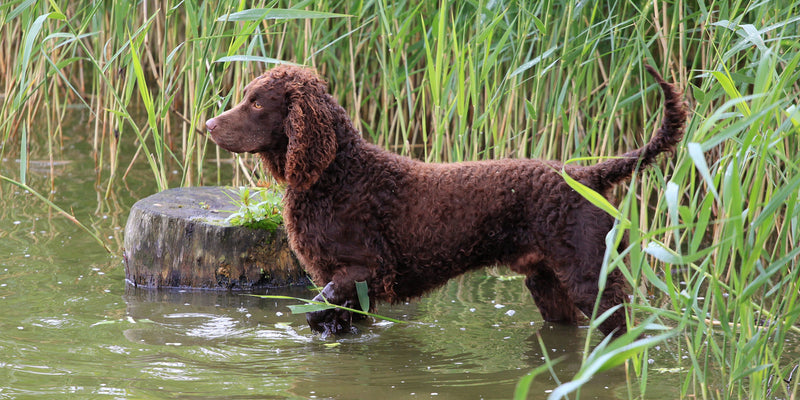
Cyanobacteria is a microorganism toxic to canids. It is present in stagnant waters between May and October. Cyanobacteria poisoning in dogs causes vomiting, convulsions, and loss of consciousness, potentially leading to death. At the first symptoms, consult a veterinarian! Definition, symptoms, and treatment: a closer look at cyanobacteria in dogs.
What are cyanobacteria?
Cyanobacteria: definition
Cyanobacteria, also known as blue-green algae, are microorganisms that primarily develop in aquatic environments: fresh or salt water. They have been present on Earth for two to three billion years, according to Anses.
Cyanobacteria produce cyanotoxins: they change the color of the water, making it red, green, or blue. The microorganisms are sometimes visible to the naked eye: they accumulate on the water's surface, creating a thick green layer, and can cause a foul odor.
Water contaminated with cyanobacteria poses a mortal danger to dogs and humans, especially children or vulnerable individuals.
When do cyanobacteria develop?
Cyanobacteria develop between May and October.
They proliferate mainly in places that meet the following conditions:
- a warm climate;
- calm, stagnant, and/or shallow waters;
- high water temperature;
- sunlight.
Cyanobacteria are often found in ponds, lakes, or waterways such as streams and rivers. Water rich in nutrients (phosphorus and nitrogen) promotes their proliferation.
Why are cyanobacteria dangerous for dogs?
Cyanobacteria produce toxins: cyanotoxins, which are harmful to dogs when ingested in too large quantities. Their accumulation in the dog's body can lead to death in just a few minutes.
Your dog can be poisoned by cyanobacteria during swimming, water activities, by licking itself after swimming, by drinking contaminated water, or by ingesting a contaminated animal or fish.
Symptoms of cyanobacteria in dogs
The symptoms of a dog contaminated with cyanobacteria are:
- nausea and vomiting;
- tremors and convulsions;
- respiratory difficulties: suffocation or excessive panting;
- hypersalivation;
- bluish discoloration of mucous membranes;
- fever;
- cramps;
- lethargy;
- loss of consciousness;
- death.
Reactions vary from one individual to another. Your dog may only show some symptoms and not all the signs of cyanobacteria poisoning.
What to do in case of dog poisoning by cyanobacteria?
If you suspect your dog has been poisoned by cyanobacteria, consult your emergency veterinarian! If possible, rinse or shower your furry friend with clean water.
The onset of symptoms varies: between 2 minutes and 5 hours after ingesting contaminated water.
Cyanobacteria poisoning in dogs can lead to rapid death in just a few minutes. Small dogs are most at risk because a small dose can be fatal.
Every year, many canids die from cyanobacteria poisoning. Others recover after several days on IV fluids combined with a treatment for cyanobacteria in dogs to eliminate toxins.
How to avoid cyanobacteria with your dog?
1. Avoid swimming in stagnant water in summer
From spring and throughout the summer season, avoid taking your dog to areas with stagnant water:
- pond;
- lake;
- stream.
These bodies of water are conducive to the development of cyanotoxins and pose a danger to your dog.
💡 Good to know
Even large bodies of water can be contaminated! For example, Lake Neuchâtel in Switzerland, the Canet pond between Saint Cyprien and Canet-en-Roussillon in the Pyrénées Orientales, or the Pont d'Arc in Vallon-Pont-d'Arc, are known to be infected. Every summer, cyanobacteria kill dogs!
2. Bring a water bottle for your dog
Bring a clean water bottle and a bowl to hydrate your furry friend during your walk. Offer them water regularly.
Make sure they don't drink from stagnant puddles.
3. Use the dog cyanobacteria map
Consult the bathing water quality map provided by the Ministry of Labor, Health, and Solidarity. It tracks samples taken from major bodies of water in France. You can check the water quality before walking and swimming with your furry friend.
The general interest association Cyanobactérie alertes works to raise awareness of the danger of cyanobacteria for dogs. It offers a cyanobacteria map that lists all contaminated bodies of water in real time.
4. Check bathing information
Before going for a walk, contact the tourist office for information on water quality.
Once on site, pay attention to signage: some municipalities indicate the presence of cyanobacteria dangerous for dogs!